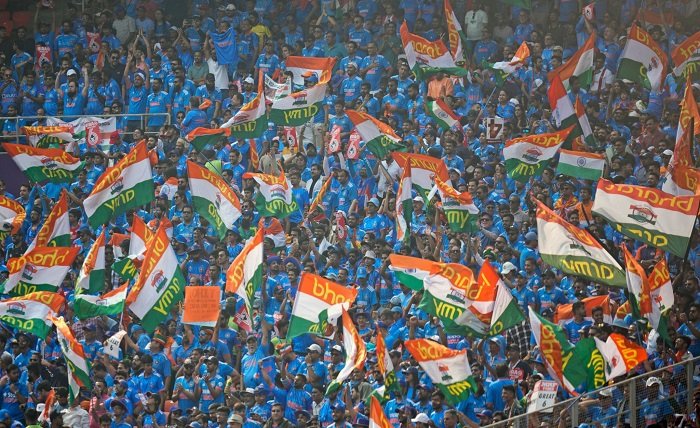
2025 was a noisy, colorful year for Indian sport – not only on the field, but on every screen and billboard around it. Cricket leagues, hyper-local tournaments, campus cups, and app-only campaigns all fought for a split second of attention. In that rush, typography quietly became one of the main storytellers. From flyover hoardings outside stadiums to in-app push banners and clean live-score layouts inside tools like desi live apk, the choice of letterforms started to signal region, tempo, and attitude. This look back zooms in on the type decisions that actually worked – and what designers and brands can reuse, refine, or retire for the next seasons.
Bold Scripts, Bilingual Messages: How Type Spoke to Both Heart and Habit
One of the clearest trends in 2025 was fearless use of Indian scripts alongside Latin. Big Devanagari headlines carried the emotion – rallying cries, punchlines, and local slang – while a simpler Latin font handled fixtures, dates, and scores. Fans could feel the tone in their own language and still read the details at a glance.
Regional leagues pushed this further. Tamil, Telugu, Bengali, and other scripts moved front and center in local campaigns, making posters and reels feel “from here”, not imported. The key was hierarchy, not overload. Successful layouts gave each script a job: one for the shout, one for the information. Strong contrast in size, weight, and placement guided the eye, so even when two scripts shared a frame, there was no confusion about what to read first and what to absorb as flavor.
Scoreboards as Design: Numbers, Fonts and the Look of Pressure
In 2025, a lot of the most memorable sports ads looked like stylised scoreboards. Designers treated numbers as heroes, not just data. Big, modular numerals – usually bold and slightly condensed – carried scores, overs and strike rates on billboards, social posts and app headers. One glance and you could feel whether a chase was under control or hanging by a thread.
Type choices around those numbers did plenty of heavy lifting. For “crunch” moments, brands leaned into sharper, more angular fonts that echoed floodlit metal and stadium steel. When it was time to celebrate – titles, hat-tricks, comeback wins – softer, rounder letterforms took over, with more breathing space and playful layouts.
The small text mattered just as much. Labels like “RRR”, “after 10 overs”, or “since powerplay” had to stay crisp even on cramped mobile banners. Campaigns that worked kept these tags extremely short, used clear abbreviations, and chose sturdy sans-serif fonts that stayed readable at tiny sizes. The result: visuals that felt dramatic without losing clarity.
Mobile-First Typography: Designing for Tiny Screens and Fast Swipes
By 2025, it was obvious that most fans first saw sports graphics in vertical format – Stories, Reels, shorts, and in-app popups. Typography that performed well there shared a few traits. Fonts were on the heavier side, with generous x-height and simple shapes that did not crumble when compressed into a tall, narrow frame. Headlines were kept to 3–5 words so they could sit big and bold without wrapping three lines deep.
Color choices became a quiet differentiator. High-contrast pairings – dark type on light backgrounds or the reverse – significantly outperformed clever but low-contrast combinations on mid-range and older phones. Decorative script faces and ultra-thin weights looked great in Figma but fell apart once compressed, streamed, and viewed on a scratched screen in sunlight.
Short video ads added another test: moving type. Kinetic typography, animated scorelines, and sliding captions worked only when timing and legibility were treated as first-class problems. The pieces that stuck kept movement simple, synced key words to big match moments, and gave viewers enough screen time to actually read before the next cut.
Emotion in Every Letter: Using Type to Signal Pace, Grit and Joy
One of the quieter lessons from 2025 is that typography can signal mood before a single word is read. For high-octane T20 campaigns, brands leaned on aggressive letterforms – tight spacing, sharp angles, tall caps – to suggest speed and intensity. Grassroots tournaments, school leagues, and youth programs, on the other hand, often choose friendlier, rounder fonts with more air between letters, signaling inclusivity and fun.
Texture and effects were used more carefully than in previous years. Instead of throwing grunge on every headline, designers reserved grain, brush strokes, or “stadium flare” glows for key hero words – a team name, a rivalry tagline, or a final score. This kept layouts lively without turning text into visual noise.
The campaigns that really landed were the ones that stayed consistent. The same core type style followed the fan from TV ads to perimeter hoardings, from social carousels to app notifications. Over time, those letters themselves became a brand signal. Even with the logo covered, fans could tell which league, team, or broadcaster they were looking at just from the typography.
Lessons from 2025: A Practical Playbook for Future Campaigns
Looking back, a few patterns stand out for anyone planning sports visuals in the next cycle. The campaigns that cut through treated typography as strategy, not decoration, and tested it under real conditions instead of just on studio monitors. A simple checklist emerged from 2025’s winners and near-misses:
- Readability at a glance – can someone understand the main message in one second on a moving feed?
- Script balance – bilingual layouts with one clear hero line and supporting script, not a fight for space.
- Mobile legibility – fonts, sizes and contrast checked on mid-range phones, not just high-res exports.
- Emotional fit – type style matched to format and mood: sharp for high stakes, softer for community pieces.
- Reusable system – a small, defined type stack that works across TV, OOH, social, and in-app placements.
- Restraint with effects – textures and animations used to highlight, not to hide weak copy.
Carry those principles forward, and typography stops being the last thing fixed before launch. It becomes one of the main reasons fans notice, remember, and share a campaign long after the final ball is bowled.