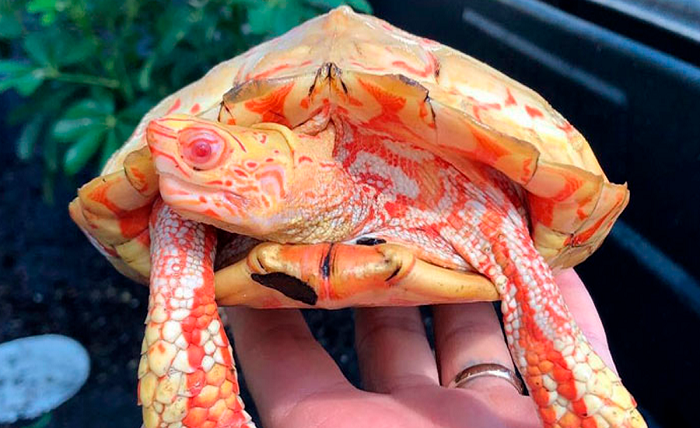
An albino turtle is a rare and visually striking reptile that lacks pigmentation due to a genetic condition called albinism. The albino turtle typically has a pale white or yellowish shell, pink or red eyes, and light-colored skin, making it stand out dramatically from other turtles. Unlike normally pigmented turtles, the albino turtle does not produce melanin, which is responsible for darker colors in animals.
Because of its unique appearance, the albino turtle often draws attention from animal enthusiasts, collectors, and researchers alike. However, the albino turtle is not a separate species but rather a variation that can occur in different types of turtles, including snapping turtles, softshell turtles, and red-eared sliders. Understanding the albino turtle begins with recognizing that it is a genetic anomaly rather than a distinct classification.
The Genetics Behind the Albino Turtle
The albino turtle exists due to a recessive genetic mutation that affects melanin production. For an albino turtle to be born, both parent turtles must carry the gene responsible for albinism. When these genes combine, they produce an albino turtle that lacks the pigmentation seen in its siblings.
This genetic rarity is one of the reasons why the albino turtle is so uncommon in the wild. Even when both parents carry the gene, the chances of producing an albino turtle remain relatively low. As a result, each albino turtle is considered a rare occurrence, making it highly valued in certain circles.
In addition to its appearance, the albino turtle may also experience differences in vision and sensitivity to light due to the absence of pigmentation. This means that the albino turtle often requires special care and environmental considerations to thrive, especially in captivity.
Habitat and Survival Challenges of the Albino Turtle
In the wild, the albino turtle faces significant survival challenges compared to its normally colored counterparts. The bright and pale appearance of the albino turtle makes it highly visible to predators, reducing its chances of survival in natural environments. Camouflage, which is essential for most turtles, is virtually nonexistent for the albino turtle.
Another challenge for the albino turtle is its sensitivity to sunlight. Without melanin, the albino turtle is more vulnerable to ultraviolet radiation, which can harm its skin and eyes. This makes it difficult for the albino turtle to spend extended periods basking in the sun, a behavior that is crucial for most turtles.
Because of these disadvantages, the albino turtle is rarely seen in the wild, and many individuals do not survive long enough to reach maturity. This rarity adds to the fascination surrounding the albino turtle but also highlights the importance of conservation and ethical care.
Types of Albino Turtle Species
The albino turtle can appear in various species, each with its own unique characteristics. Some of the most commonly observed variations of the albino turtle include albino snapping turtles, albino softshell turtles, and albino red-eared sliders. Each type of albino turtle retains the physical traits of its species while exhibiting the distinct coloration associated with albinism.
For example, an albino snapping turtle still possesses its strong jaws and rugged shell, but its coloration is pale instead of dark. Similarly, an albino red-eared slider may lack the typical red markings and instead display a soft yellow or white hue. Regardless of the species, the albino turtle remains instantly recognizable due to its lack of pigmentation.
The diversity within the albino turtle category demonstrates that albinism can occur across different turtle species, further emphasizing its genetic rather than taxonomic nature.
Caring for an Albino Turtle in Captivity
Owning an albino turtle requires careful attention to its unique needs. The albino turtle is more sensitive to light and environmental changes, so its habitat must be carefully controlled. Providing a shaded basking area is essential to ensure that the albino turtle can regulate its body temperature without being exposed to excessive UV radiation.
The diet of an albino turtle is similar to that of other turtles, typically consisting of leafy greens, vegetables, and protein sources such as insects or pellets. However, maintaining proper nutrition is especially important for the albino turtle to support its overall health and immune system.
Additionally, the albino turtle requires clean water, appropriate tank size, and regular monitoring for health issues. Because the albino turtle may have weaker eyesight, it is also important to ensure that food is easily accessible and visible. With proper care, the albino turtle can live a healthy and fulfilling life in captivity.
Myths and Misconceptions About the Albino Turtle
There are several myths surrounding the albino turtle, many of which stem from its unusual appearance. One common misconception is that the albino turtle is a completely different species, when in reality it is simply a genetic variation. Another myth is that the albino turtle possesses special or mystical powers, which is not supported by scientific evidence.
Some people also believe that the albino turtle is inherently unhealthy or incapable of surviving long-term. While it is true that the albino turtle faces certain challenges, it can live a normal lifespan with proper care and protection. The key is understanding the specific needs of the albino turtle and addressing them appropriately.
By dispelling these myths, we can better appreciate the albino turtle for what it truly is—a rare and beautiful example of genetic diversity in nature.
Why the Albino Turtle Is So Rare
The rarity of the albino turtle is primarily due to the genetic requirements for albinism. Since both parents must carry the recessive gene, the chances of producing an albino turtle are relatively low. Even when an albino turtle is born, its survival rate in the wild is significantly reduced due to its visibility and sensitivity to environmental factors.
Another factor contributing to the rarity of the albino turtle is human activity. Habitat destruction, pollution, and illegal collection can further threaten the already limited population of albino turtles. As a result, spotting an albino turtle in the wild is considered an extraordinary event.
The scarcity of the albino turtle has made it a subject of fascination and admiration, but it also underscores the importance of protecting these unique creatures and their habitats.
Conclusion
The albino turtle is a remarkable and rare variation of one of nature’s most enduring reptiles. From its genetic origins to its survival challenges, the albino turtle offers valuable insights into the complexities of biology and adaptation. While the albino turtle may face disadvantages in the wild, it continues to captivate people with its unique appearance and rarity.
Understanding the albino turtle helps us appreciate the diversity of life and the importance of conservation efforts. Whether encountered in the wild or cared for in captivity, the albino turtle serves as a reminder of the delicate balance that exists in nature and the role we play in preserving it.
FAQs
1. What causes an albino turtle to be born?
An albino turtle is born due to a genetic mutation where both parents carry a recessive gene that prevents melanin production.
2. Can an albino turtle survive in the wild?
An albino turtle can survive in the wild, but its chances are lower due to increased visibility to predators and sensitivity to sunlight.
3. Are albino turtles a separate species?
No, the albino turtle is not a separate species but a genetic variation that can occur in different types of turtles.
4. How do you care for an albino turtle?
Caring for an albino turtle involves providing a shaded habitat, proper diet, clean water, and protection from excessive UV exposure.
5. Why is the albino turtle so rare?
The albino turtle is rare because it requires specific genetic conditions to occur and faces survival challenges in natural environments.