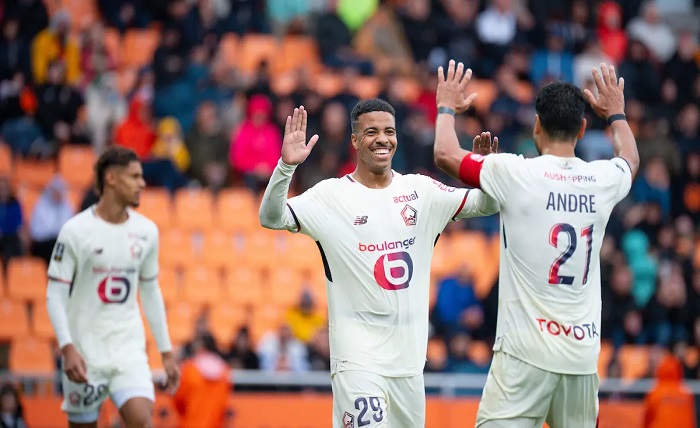
In a league season as demanding as Ligue 1 2016/17, many matches were decided less by tactics on the whiteboard and more by which key players were actually fit enough to reach their usual level. For anyone opening a bet slip, understanding how to read injuries, suspensions, rotation and fatigue around that French campaign was at least as important as knowing the table, because a single missing or half‑fit player could change both performance and price.
Why player fitness changed the meaning of every stat
Pre‑match stats in 2016/17—form lines, goal averages, xG, home/away records—were all built on performances delivered by specific players in specific conditions. When those players were injured, suspended or short of match sharpness, the numbers stopped describing the team that would actually take the field and instead described a stronger version that might only exist on paper. That gap was where many mistaken bets began.
Guides to pre‑match analysis consistently highlight “injuries and suspensions” as a core step in any routine, placing them alongside form and home/away splits in importance. If, during that Ligue 1 season, a side lost its main creator or holding midfielder, its ability to turn possession into chances—or to control the defensive transition—dropped immediately, weakening every metric built without that change in mind.
Where to find injury and suspension information
Before you could judge whether a player was fit, you needed reliable information about who was out or doubtful. Even though modern injury databases now focus on current seasons, the process they recommend—checking league‑specific injury tables, suspension lists and team news updates—mirrors what sharp bettors did during 2016/17 for Ligue 1.
These sources share a few common traits:
- They list current injuries by club, position and expected return date.
- They highlight suspensions from red cards or accumulation of bookings.
- They often add context such as whether a player has resumed training or remains restricted to individual work.
In 2016/17, following that kind of structure meant you did not just know a player’s name was missing; you knew whether the absence was likely to continue, whether he was close to regaining fitness, and whether the team had enough depth to compensate, all of which affected how you read the upcoming match.
Turning injury news into a simple pre‑match table
To avoid getting lost in details, many bettors built quick internal tables that connected the status of key Ligue 1 players to the impact on their teams in 2016/17. The logic was to classify each absence or doubtful status according to how it changed the expected strength of the XI rather than just listing names.
| Player status before a Ligue 1 match | Likely impact on the team | Effect on your pre‑match read |
| Fully fit, starting regularly | Performance close to season averages | You can trust most form and stats involving this player |
| Just returned from injury, limited minutes recently | Match sharpness below best, risk of early substitution | Reduce expectations for output and stamina |
| Confirmed out (injury or suspension) | Structural change in lineup and tactics | Re‑evaluate attack/defence metrics and chance creation |
| Late fitness test or “doubtful” | Elevated uncertainty and possible forced rotation | Treat projections cautiously, wait for line‑ups if possible |
Interpreting this table means you move from a flat view of “in or out” to a more nuanced understanding. In 2016/17, a star forward who was only just back after a muscle issue could alter your goal expectation less than a reliable full‑back who quietly missed a game, because the latter’s absence might weaken the team’s overall defensive balance more than a half‑fit attacker improved its scoring.
Using recent minutes and rotation as fitness indicators
Fitness is not only about official injury labels; match minutes and rotation patterns across a crowded schedule in 2016/17 also told their own story. Analytical guides on betting stress the importance of reading fixture congestion and how often the same players start, because travel, midweek cups and European games can drain energy even when medical reports list everyone as “available”.
In Ligue 1 terms, that often looked like:
- Key players starting three games in seven days, hinting at fatigue and higher risk of a flat performance or in‑game injury.
- Coaches opting for partial rotation—60‑minute stints for stars instead of full matches—to protect sharpness for league fixtures.
- Line‑up changes after international breaks, when returning players had logged heavy minutes or long‑distance travel.
Reading team sheets and substitution trends from 2016/17 results archives allowed you to see which players were consistently completing 90 minutes and which were being managed carefully. That distinction influenced whether you expected a high‑intensity outing or a more measured shift from a player who had already carried a big load.
Conditional effects of rotation on player fitness
Rotation also changed how you rated bench players’ fitness. In some 2016/17 squads, fringe forwards or midfielders came into the XI with full energy but little rhythm, while in others, a “backup” had been rotating often enough to stay match sharp. The conditional logic was simple: if a replacement had maintained regular minutes, his entry into the line‑up preserved more of the team’s usual level than if he had barely played in weeks.
For bettors, this meant that not all changes signalled an equal downgrade. Losing a star to injury but replacing him with a heavily used squad player could reduce quality less than losing a seemingly minor starter whose deputy had barely seen the pitch all season.
Integrating fitness checks into a betting platform routine
In practical terms, checking player fitness around Ligue 1 2016/17 mattered most in the window between early team news and actually placing a bet. Pre‑match analysis articles emphasise the need for a repeatable routine: form, home/away split, motivation—and then a focused look at who is missing or half fit. Once that work was done, users would move to their chosen betting platform to see how the odds compared with the adjusted team strengths they had just calculated.
In that workflow, a resource like UFABET would act as the execution layer rather than the source of your judgment. After you had updated your sense of how fit key Ligue 1 players really were—downgrading a side missing its central defender, or modestly raising expectations for a team welcoming back a fully fit striker—you would then open ufabet เว็บตรง, compare its prices on match odds and totals to your revised probabilities, and decide whether any of those prices still looked fair given the latest fitness information.
When fitness signals pushed you away from a bet
Often, the most important effect of a fitness check in 2016/17 was to stop you from placing a marginal bet. Strategy guides note that incomplete injury and rotation information is a common cause of thin edges turning into negative‑value positions, because the unseen downgrade in team strength is already reflected in the odds or, worse, not fully priced yet but still very real on the pitch.
For example, if early prices on a Ligue 1 favourite looked appealing but later team news confirmed two defensive absences and a key midfielder only on the bench, the original perceived edge could evaporate. Recognising that the side’s ability to control the match had dropped, many disciplined bettors chose either to accept a smaller stake, switch to a different market (such as goals instead of sides), or walk away entirely rather than forcing action on a compromised line‑up.
Using a checklist to keep fitness analysis consistent
To stop fitness checks from becoming guesswork, analysts often rely on a brief, structured list they work through before every bet. Modern pre‑match routines explicitly include an injury and suspension line item, along with home/away form and motivation, as part of a standardised process.
A simple but effective fitness checklist, directly applicable to a season like Ligue 1 2016/17, would include:
- Scan official and independent injury/suspension reports for both teams.
- Identify which absences affect the spine of the side (centre‑backs, central midfielders, primary forward).
- Review recent minutes and substitution patterns to spot fatigue risk or managed returns.
- Check whether bookmakers have already adjusted the line (sudden odds moves after news).
- Decide whether the remaining price still reflects a realistic version of each team’s strength.
Applying this list match after match meant that you did not rely on memory of who was “usually starting” in 2016/17; you instead tied every stake to a current, evidence‑based view of who was actually ready to contribute at full intensity.
How fitness thinking transfers into wider betting environments
The techniques used to check Ligue 1 2016/17 player fitness are the same ones that underpin modern betting routines across leagues and years. Injury and suspension tables, rotation analysis and schedule‑driven fatigue assessments now exist alongside odds inside many digital ecosystems, including integrated sports and gaming spaces where football markets sit next to other products on a casino online website. Once you learn to treat player availability and sharpness as core inputs rather than optional extras, every new season becomes easier to read: you start from the actual XI and its physical condition, then let numbers and prices follow, instead of the other way around.
Summary
For Ligue 1 2016/17, checking player fitness before opening a bet meant combining injury and suspension reports, recent minutes, rotation patterns and schedule context to see which key players were genuinely ready to perform. When that information fed into a structured pre‑match routine and was matched against live odds only afterward, bettors could avoid staking on outdated versions of teams and instead align their decisions with the real physical strength each French side was likely to put on the pitch.